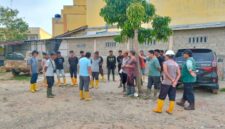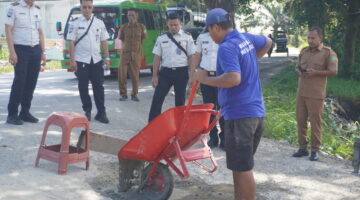






Aceh, Indonesia — The hydrometeorological floods that struck several areas in Aceh Tamiang have gradually begun to recede. However, behind the receding floodwaters, deep sorrow remains among the community. Homes are filled with mud, economic activities have come to a halt, public facilities have been damaged, and many families are still struggling under difficult conditions.
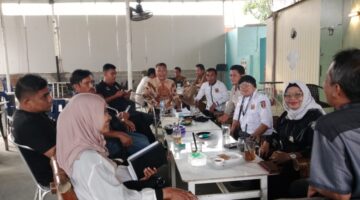
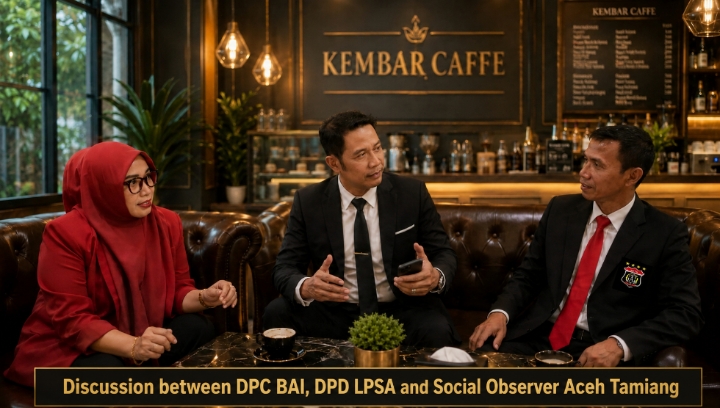
A discussion between Syamsul, Syarifah, and social observer Edi Aduhai eventually focused on the issue of organizations being minimally involved or not involved at all in post-disaster handling efforts. The discussion was held at Kembar Caffe on May 15, 2026.
Amid the current situation, a major question widely discussed by the public has emerged:
ADVERTISEMENT

SCROLL TO RESUME CONTENT
“How important is the role of social institutions, community organizations, and volunteers for the Aceh Tamiang Regional Government in post-disaster recovery efforts?”
The answer is considered to be: very important.
Syamsul stated that post-disaster recovery is not merely about cleaning up the remnants of the flood, but also about restoring the lives of people affected economically, socially, and psychologically. In such conditions, the regional government certainly requires support from various parties so that the recovery process can proceed quickly and effectively.
“The presence of social institutions and community organizations is considered one of the key strengths in helping people rise from hardship. They assist in distributing aid, collecting victim data, accompanying affected communities, and rebuilding the spirit of residents who have lost hope due to the disaster,” said Syamsul.
Meanwhile, Syarifah, as Secretary of DPD LPSA, explained that social institutions play a strategic role as a bridge between the community and the regional government. Their presence is considered capable of accelerating the delivery of public aspirations, assisting in the coordination of humanitarian aid, and strengthening social solidarity within society.
“When disaster strikes, what people need is not only material assistance, but also attention, compassion, and a real presence amid their suffering,” she stated.
In addition, various parties have encouraged companies to contribute through Corporate Social Responsibility (CSR) programs to support the recovery of the people of Aceh Tamiang, especially residents who lost their livelihoods due to the hydrometeorological floods.
Social observer Edi Aduhai emphasized that synergy between the regional government, social institutions, community organizations, volunteers, and the public is the main key to accelerating post-disaster recovery.
At present, the community hopes that all parties will remain united and not leave the people to struggle alone after the floodwaters have subsided.
“Because in reality, when the floodwaters begin to recede, the people’s struggle to rise again is only just beginning,” said Edi, closing the discussion.
(Saut Simanjuntak)